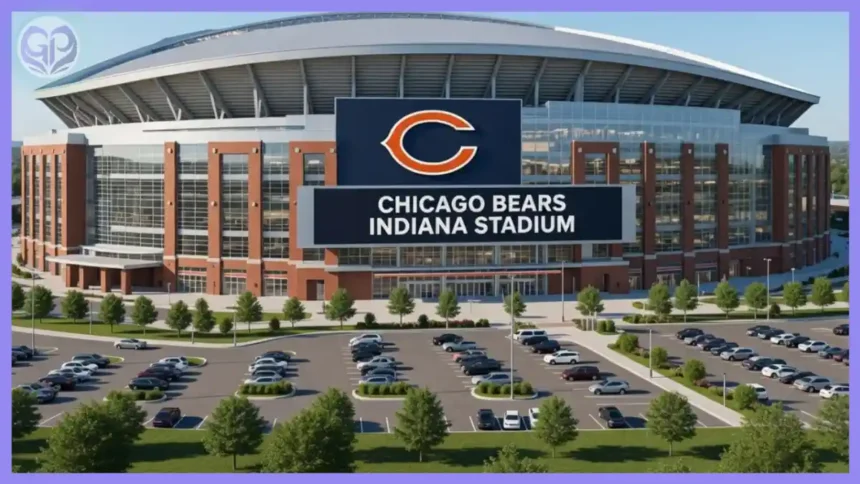
The Chicago Bears Indiana Stadium proposal has quickly become one of the most debated topics in the NFL. For decades, the Chicago Bears have called Soldier Field home. However, growing frustrations over stadium limitations, modernization challenges, and financial negotiations have fueled serious relocation discussions. Recent developments suggest Indiana lawmakers are actively positioning their state as a viable alternative if Illinois negotiations fail. This unexpected twist has intensified political, financial, and fan-driven conversations across both states.
The Chicago Bears Indiana Stadium concept centers around a modern, state-of-the-art facility that could generate billions in economic impact. Reports indicate that Indiana officials have introduced legislation designed to attract the franchise with competitive tax incentives and infrastructure support. Meanwhile, Arlington Heights officials remain hopeful that the team will continue pursuing its previously announced $5 billion redevelopment plan in Illinois. The uncertainty surrounding the team’s long-term future has sparked emotional reactions from fans, business leaders, and policymakers alike.
As discussions continue, the Chicago Bears Indiana Stadium debate highlights larger questions about stadium financing, public funding, and NFL relocation policies. This article explores the proposal in detail, covering political reactions, financial incentives, potential locations, economic implications, and what happens next for the franchise.
Chicago Bears Indiana Stadium Proposal Explained
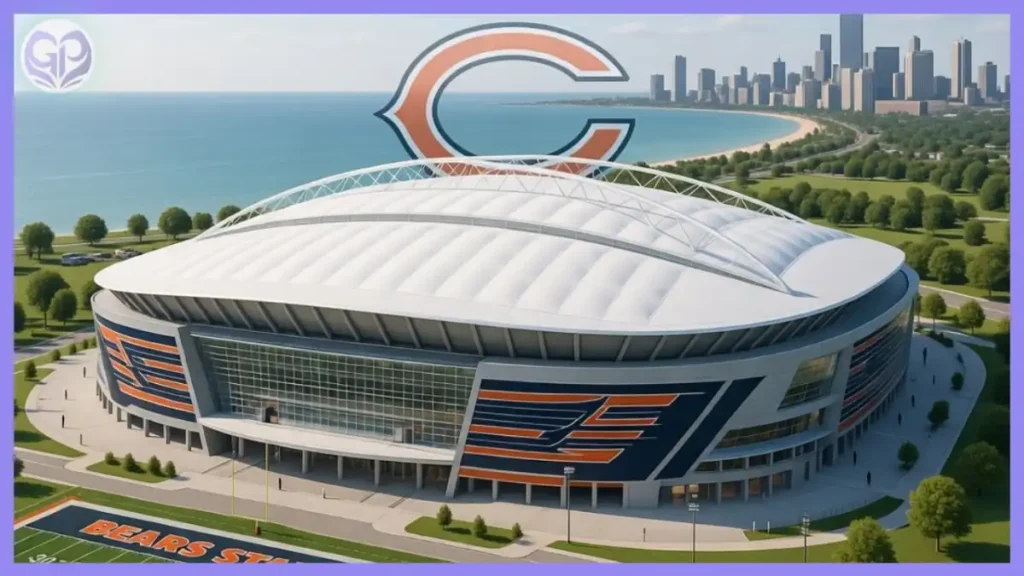
The Chicago Bears Indiana Stadium proposal emerged after stalled negotiations regarding redevelopment in Illinois. Indiana lawmakers began openly expressing interest in hosting the franchise, offering a competitive environment for new stadium construction. Unlike renovation efforts tied to Soldier Field, the Indiana concept focuses on building a brand-new, fully modernized stadium tailored to current NFL standards. Supporters argue that this approach would eliminate structural limitations and allow for expanded seating, premium suites, and year-round event hosting.
Additionally, Indiana’s proposal appears strategically timed. As funding discussions in Illinois encountered delays and political friction, Indiana leaders moved quickly to demonstrate readiness. The proposal reportedly includes infrastructure development plans, transportation improvements, and potential public-private financing models. While no final agreement exists, the Chicago Bears Indiana Stadium concept has transitioned from speculation to active political discussion. This shift signals that relocation conversations are no longer hypothetical but part of a broader negotiation strategy.
Arlington Heights Break Silence on $5 Billion Stadium Plan
Officials in Arlington Heights recently addressed growing speculation surrounding the Chicago Bears Indiana Stadium discussions. The village had previously partnered with the Bears on a massive $5 billion redevelopment vision centered around the former racetrack property. That plan aimed to transform the site into a mixed-use district featuring retail, residential spaces, entertainment venues, and a modern stadium complex. Local leaders continue to express optimism that the project can still move forward.
Arlington Heights officials emphasize the long-term economic benefits the project would bring to Illinois. They highlight job creation, tourism growth, and tax revenue expansion as major incentives for keeping the team local. However, uncertainty regarding property tax agreements and state-level financial participation has slowed progress. While the Indiana proposal gains momentum, Arlington Heights leaders insist negotiations remain ongoing and productive.
Original Plan to Replace Soldier Field
The Bears initially sought to replace Soldier Field with a next-generation stadium experience. Although Soldier Field remains historic, capacity limitations and design restrictions have constrained revenue potential. The franchise believes a modern stadium would allow it to compete financially with newer NFL facilities across the country.
The Arlington Heights development plan represented a fresh start. By building outside Chicago city limits, the Bears aimed to control revenue streams, parking operations, and surrounding commercial development. This autonomy would increase long-term profitability. However, funding structures and political disagreements complicated the transition from vision to construction.
Why the Bears Considered Leaving Chicago
The Chicago Bears Indiana Stadium discussions gained momentum because the franchise has faced long-standing limitations at Soldier Field. Although Soldier Field carries historic value, its structure restricts expansion and premium revenue opportunities. The Bears operate in the third-largest media market in the United States, yet their stadium ranks among the smallest in seating capacity. This gap limits ticket sales, corporate suites, sponsorship activation, and large-scale event hosting. Team ownership has repeatedly stated that a modern stadium must support long-term financial growth. Without upgrades or a replacement facility, the Bears risk falling behind other NFL franchises in annual revenue rankings.
Additionally, ownership seeks greater operational control. A new stadium complex would allow the team to manage surrounding retail development, parking revenue, naming rights, and year-round entertainment events. Modern NFL business models rely heavily on these diversified revenue streams. The Chicago Bears Indiana Stadium proposal presents an opportunity to design a purpose-built venue with advanced amenities and flexible event capabilities. While leaving Chicago would carry emotional consequences, ownership appears focused on long-term sustainability rather than short-term sentiment.
Illinois Governor J.B. Pritzker Responds to Indiana Talks
Illinois Governor J. B. Pritzker publicly expressed disappointment after the Bears acknowledged Indiana’s legislative efforts. He stated that Illinois remains committed to keeping the franchise within the state. Pritzker emphasized that major sports teams contribute to civic pride, tourism, and economic identity. However, he also clarified that any public funding must protect taxpayers. This position reflects broader debates about stadium financing across the country.
The governor’s response highlights the political stakes tied to the Chicago Bears Indiana Stadium negotiations. Losing the franchise would represent not only a sports setback but also a symbolic loss for Illinois. State officials now face pressure to present competitive proposals without overcommitting public funds. As Indiana increases its outreach, Illinois leadership must balance fiscal responsibility with economic competitiveness.
Indiana Legislature Passes Bill to Attract the Bears
Indiana lawmakers moved swiftly by passing legislation designed to make relocation financially attractive. The bill reportedly supports infrastructure funding mechanisms that could assist in stadium construction. Supporters argue that attracting an NFL franchise would stimulate economic development and increase statewide visibility. The Chicago Bears Indiana Stadium proposal aligns with Indiana’s broader strategy of investing in sports tourism and major events.
By acting unanimously, Indiana legislators sent a strong signal of political unity. This move strengthens their negotiating position and demonstrates readiness. Unlike speculative rumors, legislative action transforms discussions into measurable commitments. While no finalized deal exists, Indiana’s proactive approach increases competitive pressure on Illinois policymakers.
Financial Incentives and Funding Breakdown
Stadium construction typically requires a mix of private investment and public financing. In the Chicago Bears Indiana Stadium scenario, reports suggest Indiana could offer tax increment financing, infrastructure bonds, and land development support. These tools reduce upfront costs for the franchise while spreading public investment over time. Such structures often fund roads, transit systems, and surrounding commercial zones.
However, public funding remains controversial. Critics argue that taxpayers should not subsidize privately owned sports franchises. Supporters counter that stadiums generate long-term economic returns through job creation, tourism, and business growth. The final funding breakdown will likely determine whether relocation becomes reality. Financial transparency will remain central to negotiations on both sides of the state line.
Potential Indiana Stadium Location Details
While officials have not confirmed an exact site, speculation points toward areas near northwest Indiana, close to the Illinois border. A location near major highways would maintain accessibility for Chicago-based fans while expanding Indiana’s tax base. Proximity to urban centers would increase attendance potential and corporate sponsorship opportunities.
Site selection also influences infrastructure costs. Developers must evaluate land acquisition, transportation expansion, and environmental impact assessments. The Chicago Bears Indiana Stadium location decision will depend on logistical efficiency, political cooperation, and long-term growth potential. Strategic placement could determine the project’s financial viability.
Economic Impact on Chicago and Indiana
If the Chicago Bears relocate, Chicago could lose significant economic activity tied to home games. Hotels, restaurants, and local businesses depend on game-day traffic. Soldier Field events contribute seasonal revenue to the city. A departure would create measurable financial shifts, especially in surrounding neighborhoods.
Conversely, Indiana could gain substantial economic momentum. Construction alone would generate thousands of temporary jobs. Long-term stadium operations would create permanent employment opportunities. Additionally, hosting playoff games, concerts, and national events could elevate Indiana’s tourism profile. The Chicago Bears Indiana Stadium debate ultimately centers on which state benefits more from the franchise’s future.
NFL Relocation Rules and Approval Process
The Chicago Bears Indiana Stadium proposal cannot move forward without NFL approval. The league maintains strict relocation policies to protect competitive balance and market stability. Franchise owners must submit a formal relocation request to the NFL, followed by a vote among team owners. At least 24 of 32 owners must approve the move. This process ensures that relocations occur only under justified financial or structural circumstances.
The NFL also evaluates stadium viability, market strength, fan base loyalty, and long-term economic sustainability. Relocating a historic franchise like the Chicago Bears carries emotional and commercial implications. The league understands that fan backlash can damage brand loyalty. Therefore, any Chicago Bears Indiana Stadium transition would require careful review. Approval is possible, but it involves months of negotiations, documentation, and league-level financial analysis.
Fan Reactions to Chicago Bears Indiana Stadium Rumors

The Chicago Bears Indiana Stadium rumors have sparked intense reactions from fans across Illinois and Indiana. Many Chicago-based supporters feel strongly connected to the city’s football heritage. For decades, the Bears have represented Chicago identity. Moving the team across state lines would create emotional resistance. Fans worry that relocation could weaken historical ties and alter the team’s cultural roots.
However, some supporters prioritize modernization over tradition. They argue that a state-of-the-art stadium would enhance the game-day experience. Improved facilities, better seating, and expanded entertainment options could attract younger audiences. While opinions remain divided, one fact is clear: the Chicago Bears Indiana Stadium debate has energized the fan base. Social media discussions continue daily, reflecting deep loyalty and passionate engagement.
Political Tensions Surrounding the Stadium Debate
Political friction continues to shape the Chicago Bears Indiana Stadium conversation. Illinois leaders emphasize fiscal responsibility, while Indiana officials promote economic opportunity. Both sides present contrasting narratives. Illinois argues that public funds must serve broader community needs. Indiana counters by highlighting job creation and long-term tax growth potential.
These opposing strategies intensify public debate. Taxpayer advocacy groups question whether stadium funding justifies public investment. Meanwhile, business leaders often support development projects that stimulate tourism. The political dimension of the Chicago Bears Indiana Stadium negotiations may ultimately influence the franchise’s final decision more than fan sentiment alone.
Timeline: From Arlington Heights to Indiana Discussions
The timeline of the Chicago Bears Indiana Stadium debate began with the Arlington Heights redevelopment announcement. Initially, the Bears committed to a $5 billion mixed-use stadium district plan. Negotiations progressed steadily until property tax assessments created complications. Disagreements over valuation slowed the process.
As talks stalled, Indiana lawmakers introduced legislation to attract the team. This shift marked a turning point. What began as leverage in negotiation evolved into a credible relocation discussion. The timeline illustrates how quickly stadium negotiations can escalate from local redevelopment plans to interstate competition.
What Happens Next for the Chicago Bears?
The future of the Chicago Bears Indiana Stadium proposal depends on financial clarity and political compromise. If Illinois presents a competitive funding structure, the team may remain within state borders. However, if negotiations continue to stall, Indiana’s offer could gain traction. Ownership will evaluate revenue projections, construction timelines, and long-term operational control before finalizing decisions.
NFL approval remains a critical hurdle. Even if Indiana presents an attractive deal, relocation requires league consent. Over the coming months, stakeholders will likely conduct feasibility studies and economic impact assessments. These evaluations will determine whether the Chicago Bears Indiana Stadium concept transitions from proposal to official relocation bid.
Could the Bears Stay in Illinois After All?
Despite relocation headlines, the possibility of remaining in Illinois remains strong. Arlington Heights officials continue negotiations regarding tax structures and development planning. Compromise could reopen momentum for the original $5 billion vision. Keeping the franchise within Illinois preserves historical identity and reduces political controversy.
Moreover, relocation carries risks. Brand loyalty, sponsorship relationships, and regional partnerships depend on stability. The Chicago Bears Indiana Stadium conversation may function partly as negotiation leverage. Ultimately, ownership seeks the best financial and operational outcome. Whether that outcome lies in Illinois or Indiana remains uncertain, but discussions continue actively.
Stadium Design Vision and Modern Features
The Chicago Bears Indiana Stadium concept focuses on delivering a next-generation sports experience. Modern NFL venues prioritize retractable roofs, advanced video boards, premium seating lounges, and immersive fan technology. A new Indiana stadium would likely include climate-controlled seating, expanded hospitality suites, and multi-use event spaces. These features would allow the stadium to host concerts, college championships, and large-scale conventions throughout the year.
In addition, developers could integrate mixed-use elements around the venue. Retail stores, restaurants, hotels, and entertainment zones often surround new stadium projects. This design approach increases revenue while creating a year-round destination instead of a single-use sports facility. If the Bears pursue Indiana, innovation will likely drive architectural planning.
Transportation and Accessibility Plans
Transportation remains a critical factor in the Chicago Bears Indiana Stadium discussions. Easy highway access and parking infrastructure would determine fan convenience. Planners may consider proximity to major interstates to accommodate Illinois-based supporters traveling across state lines. Efficient traffic flow and large-scale parking zones would be necessary for smooth game-day operations.
Public transit expansion could also play a role. Stadium projects often include partnerships with state transportation agencies to improve rail or bus routes. Accessibility directly impacts attendance numbers and fan satisfaction. Therefore, infrastructure planning will influence the overall feasibility of any Indiana relocation.
Corporate Sponsorship and Naming Rights Potential
Corporate partnerships could significantly impact the Chicago Bears Indiana Stadium financing strategy. Naming rights alone often generate hundreds of millions of dollars over multi-decade agreements. Large corporations seek high-visibility branding opportunities tied to NFL franchises. An Indiana-based stadium could attract regional and national sponsors interested in long-term marketing exposure.
Beyond naming rights, premium suite sales and advertising packages contribute major revenue streams. Businesses value luxury seating for client entertainment and networking. Increased corporate engagement would strengthen financial projections and make the stadium more attractive from an investment standpoint.
Long-Term Impact on the Bears’ Brand Identity
Relocating to Indiana would reshape the Chicago Bears’ brand narrative. The franchise has deep historical ties to Chicago, and identity plays a major role in fan loyalty. A move across state lines could require careful messaging to preserve tradition while embracing modernization. Ownership would likely emphasize regional unity rather than geographic separation.
At the same time, a new stadium offers branding opportunities. Updated logos, digital fan engagement, and community outreach initiatives could accompany the transition. If managed strategically, the Chicago Bears Indiana Stadium move could evolve from controversy into a fresh chapter of growth and reinvention.
Conclusion
The Chicago Bears Indiana Stadium debate represents more than a simple relocation rumor. It reflects evolving business strategies within the NFL, rising stadium construction costs, and complex political negotiations. Indiana’s legislative action signals serious intent, while Illinois leadership remains committed to retaining the franchise.
As financial models, infrastructure plans, and league approvals unfold, the future of the Bears will become clearer. The Chicago Bears Indiana Stadium proposal continues to shape regional headlines, and its outcome will influence the franchise’s next generation. Whether the team builds in Indiana or stays in Illinois, the decision will redefine its long-term trajectory.
FAQs
What is the Chicago Bears Indiana Stadium proposal?
The Chicago Bears Indiana Stadium proposal refers to discussions about relocating the Bears to Indiana and building a new state-of-the-art stadium outside Illinois.
Why are the Bears considering leaving Soldier Field?
The team seeks a modern stadium with larger capacity, premium suites, and expanded revenue opportunities that Soldier Field cannot provide.
Has the NFL approved the relocation?
No, the NFL has not approved any relocation. A formal vote from team owners would be required.
What role does Indiana play in the proposal?
Indiana lawmakers passed legislation designed to attract the Bears by offering infrastructure and financial incentives.
Is Arlington Heights still an option?
Yes, Arlington Heights remains under negotiation as part of the original $5 billion redevelopment plan.
How would relocation affect Chicago’s economy?
Chicago could lose game-day revenue and tourism income tied to home games.
When will a final decision be made?
No official timeline exists, but negotiations are ongoing and may continue through 2026.
VISIT MORE: GLORY POST